
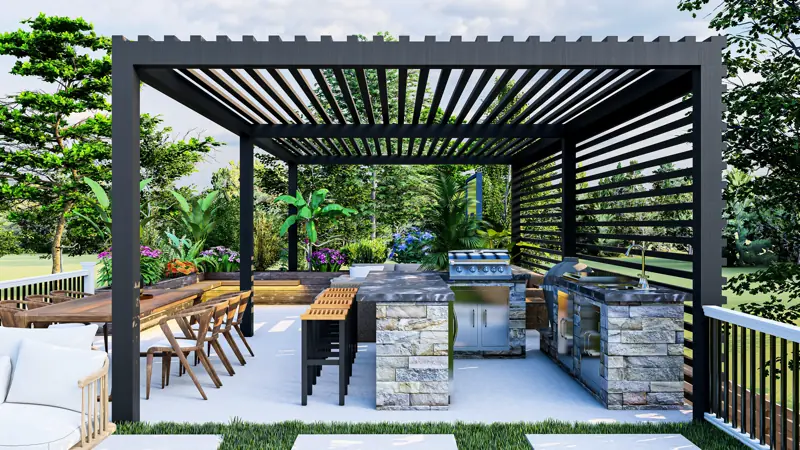
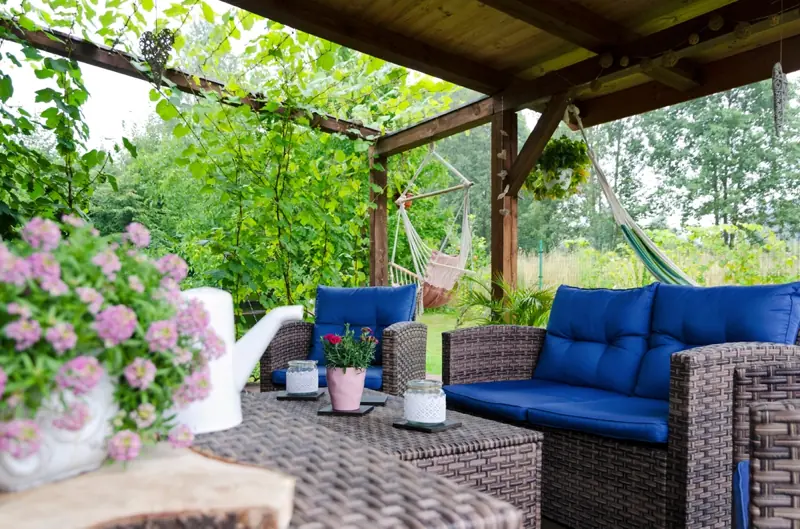
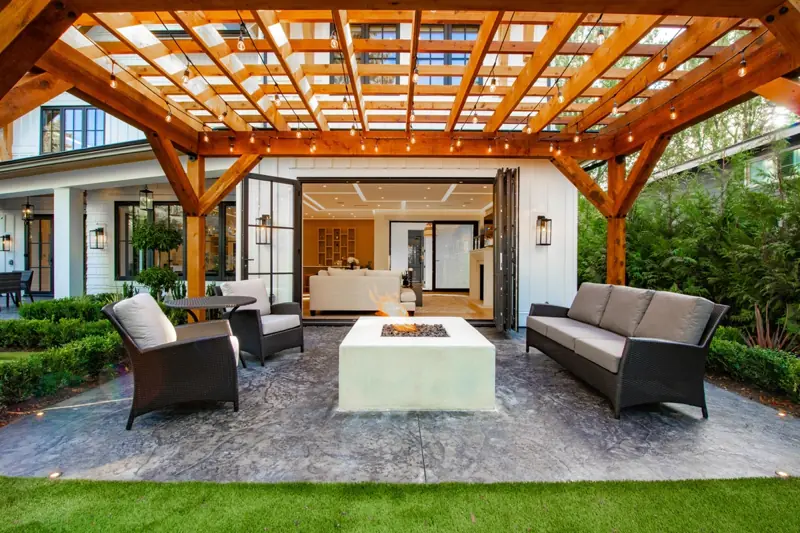

A beautiful pergola can turn a plain backyard into your favorite place to relax, but small design choices can make a big difference.
Many homeowners run into common pergola design mistakes, like choosing the wrong size, poor placement, or materials that don’t fit the weather. The good news is these problems are easy to avoid with the right plan.
In this article, we’ll share simple pergola planning tips you can use before starting their project. Whether you’re doing it yourself or hiring trusted pergola services in Rock Hill, SC, these tips will help you create a space that looks great and works well.
What are The Biggest Mistakes When Building a Pergola?
There are several common issues that can affect the success of a pergola project. Most of them begin before construction even starts.
Skipping the Planning Stage
One of the biggest pergola design mistakes is treating the structure like a purely decorative add-on. A pergola should be planned around how you want to use the space. Will it cover a dining area, frame a seating zone, or create partial shade over a patio? If those questions are not answered early, the finished result may look fine but feel impractical.
A better approach is to start with function first. Think about daily use, furniture layout, shade needs, and how the pergola will connect to the rest of the yard. The most successful pergola services begin with a clear purpose, not just a visual idea.
Ignoring Proportion and Scale
Another frequent mistake is building a pergola that does not fit the home or outdoor area. A pergola that feels too bulky can overwhelm a smaller yard, while one that is too small can disappear visually and fail to serve its purpose. Scale matters because pergolas should complement the surrounding architecture instead of competing with it.
Overlooking Comfort and Practicality
Some homeowners focus so much on appearance that they forget about usability. They may choose a design that looks stylish but offers too little shade, poor airflow, or limited flexibility. Others fail to think about accessories like lighting, fans, curtains, or privacy screens until after installation.
This is where smart pergola planning tips Rock Hill, SC can make a real difference. A beautiful pergola should also be comfortable and useful.
Underestimating Installation Details
Even the best-looking pergola can turn into a problem if the build quality is poor. Weak footings, low-grade materials, or rushed installation can lead to wobbling, sagging, drainage concerns, or long-term repairs. Avoiding these pergola design mistakes starts with choosing experienced professionals who understand both design and structure.
Can a Pergola Be Too Big or Too Small?
Absolutely. Size is one of the most important parts of pergola planning, and it can directly affect how successful the finished project feels.
When a Pergola Is Too Big
A pergola that is too large can dominate the yard and make the outdoor space feel crowded. It may overpower the patio, block important sightlines, or feel disconnected from the scale of the home. Large pergolas also require more materials, which can increase cost without necessarily improving functionality.
A pergola should enhance the space, not swallow it. One of the most useful pergola planning tips you can follow is to evaluate the pergola in relation to surrounding features like the patio, landscaping, pool, walkway, or house exterior.
When a Pergola Is Too Small
A pergola that is too small creates different problems. It may fail to cover the intended seating or dining area, offer too little shade, or look like an afterthought rather than an intentional feature. Small pergolas can also feel visually out of place if they do not align with the scale of outdoor furniture or the home itself.
This is one of the most overlooked pergola design mistakes because many people choose size based on guesswork rather than layout.
How to Choose the Right Size
The best size depends on how the pergola will be used. If it is meant to cover a dining table, the structure should allow enough space for chairs and comfortable movement around the table. If it is meant for lounge seating, it should frame the area without feeling cramped.
Professional pergola services can help determine dimensions that work both visually and functionally. A well-sized pergola feels balanced, natural, and useful from day one.
Why is Proper Placement Important For Pergolas?
Placement affects more than appearance. It shapes comfort, shade, privacy, and how the pergola works with the rest of the property.
Placement Affects How the Space Is Used
One of the most common pergola design mistakes is choosing a location based only on available space instead of actual lifestyle needs. For example, placing a pergola too far from the house may make it less convenient for outdoor dining. Putting it in a disconnected corner of the yard may reduce how often the space is used.
A better strategy is to think about movement and convenience. How will people walk to the pergola? Will it be near the kitchen, pool, or back door? Does it make sense as part of your routine?
Placement Shapes Privacy and Comfort
Another reason placement matters is privacy. A pergola placed too close to neighboring views or in a highly exposed area may feel less relaxing than expected. Wind patterns, noise, and surrounding features can also affect comfort.
Good pergola planning tips should always include evaluating what the pergola will face and how that impacts the experience underneath it.
Placement Influences Visual Balance
A pergola should feel like it belongs in the landscape. If it is placed awkwardly, the structure may feel detached from the patio, crowd the yard, or interrupt the overall flow of the space. Strong design comes from connection. The pergola should look integrated with the home, hardscape, and landscaping rather than randomly added.
This is why homeowners often benefit from working with pergola services that take the full property into account instead of treating the pergola as a standalone feature.
Do People Forget to Consider Sun Direction?
Yes, all the time. Sun direction is one of the most important and most frequently ignored parts of pergola design.
Why Sun Direction Matters
Pergolas are often installed to improve comfort and shade, but if the structure is not aligned with the sun’s path, the results may be disappointing. A pergola may look great on paper but still allow too much harsh afternoon sun into the seating area.
This is one of the most practical pergola design mistakes because it directly affects how often the pergola gets used. If the space stays too hot or bright during peak hours, homeowners may avoid it.
Shade Changes Throughout the Day
Morning sun, midday sun, and afternoon sun all hit differently depending on the location of the pergola and the orientation of the roof slats. A pergola positioned without considering these changes may provide shade when it is not needed most and fail when it matters.
Thoughtful pergola planning tips Rock Hill, SC should include reviewing how sunlight moves across the yard during different times of day and across different seasons.
How to Avoid This Mistake
The key is to plan with both design and comfort in mind. Consider where the strongest sun hits your patio or backyard, how you use the space, and whether you need additional features like canopies, curtains, or retractable shade. A pergola can be made more effective when the design responds to actual site conditions rather than general assumptions.
Experienced pergola services can help guide these decisions and reduce the risk of ending up with a beautiful structure that does not provide the comfort you expected.
What Materials Should You Avoid For Pergolas?
Choosing the wrong material can lead to maintenance headaches, poor durability, or a finished look that does not hold up over time.
Low-Quality Wood
Cheap or untreated wood is one of the materials homeowners should be cautious about. While wood pergolas can be beautiful, lower-grade lumber may warp, crack, rot, or attract pests more quickly, especially in outdoor environments exposed to moisture and heat.
This is one of the more expensive pergola design mistakes because material failure can lead to repairs or replacement much sooner than expected.
Materials That Do Not Fit the Climate
Some materials simply do not perform well in certain conditions. A material that works in one environment may struggle in another due to humidity, heavy rain, or constant sun exposure. Homeowners should think beyond initial appearance and ask how the material will age and perform over time.
Good pergola planning tips Rock Hill, SC should always consider the local climate, maintenance expectations, and long-term durability.
Choosing Based Only on Price
Budget matters, but choosing the cheapest option without thinking about performance can backfire. Low-cost materials may require more maintenance, fade more quickly, or fail structurally sooner. That can make the pergola more expensive in the long run.
Reliable pergola services help balance cost, durability, and visual appeal so homeowners do not sacrifice long-term value for short-term savings.
Better Material Decisions Start With Purpose
The right material depends on the pergola’s design, the look you want, and how much upkeep you are comfortable with. A pergola should not only look good on installation day. It should continue performing well year after year.
How Do You Avoid Structural Issues During Installation?
Structural problems are some of the most serious pergola issues because they affect safety, stability, and longevity. The good news is that they are also preventable with the right process.
Start With a Strong Foundation
One of the biggest installation-related pergola design mistakes is underestimating the importance of proper footings and anchoring. Pergolas need a stable foundation that supports the structure over time and helps it withstand wind, weather, and regular use.
Without that support, the pergola may shift, lean, or weaken faster than expected.
Use Proper Measurements and Load Planning
Pergolas should be built with accurate spacing, proper beam sizing, and careful attention to how weight is distributed. This becomes even more important if the pergola will support added features such as lighting, fans, curtains, shade systems, or climbing plants.
Strong pergola planning tips should always include thinking ahead about what the structure may need to hold now and in the future.
Do Not Cut Corners on Installation
Rushed work often leads to long-term problems. Misaligned posts, weak connections, poor fastening methods, and overlooked drainage considerations can all affect performance. Some homeowners assume these are minor issues, but over time they can turn into major repair needs.
This is why professional pergola builders are so valuable. A skilled team understands how to balance design details with structural requirements, helping ensure the pergola looks great and stays secure.
Think About the Whole System
A pergola is not just a set of posts and beams. It is a complete outdoor structure that interacts with patios, grading, drainage, furniture, and the home itself. Avoiding structural issues means taking a full-picture approach from the start.
When a pergola is designed and installed with care, it delivers not only style but also lasting confidence and usability.
Conclusion
Avoiding common pergola design mistakes starts with better planning, smarter material choices, and a clear understanding of how the structure will be used every day. From choosing the right size to thinking carefully about placement, sun direction, and structural support, each decision shapes how successful the final result will be.
A pergola should do more than look attractive. It should feel comfortable, fit the space naturally, and hold up well over time.
That is why working with experienced pergola contractors in Rock Hill, SC matters. A thoughtfully designed pergola can enhance your backyard, improve your daily use of the space, and add lasting appeal to your home.
With the right approach and the right pergola planning tips, you can avoid costly missteps and enjoy a feature that feels truly intentional.
Build Smarter Outdoor Spaces in Rock Hill, SC
At Palmetto Pergolas, we help homeowners create outdoor spaces that are both beautiful and built to last. Whether you are starting from scratch or refining your vision, our team can help you avoid common mistakes and move forward with confidence.
Reach out today to explore a pergola design that fits your property, complements your home, and supports the way you want to live outdoors.