
A pergola can instantly upgrade your outdoor space, but choosing the right type matters more than you think. The debate between an attached vs freestanding pergola often comes down to how you want to use your space and what works best with your home.
If you’re planning a pergola installation in Rock Hill, SC, exploring different pergola design options can help you find the perfect fit. Each style offers its own benefits, from convenience to flexibility.
Understanding the difference makes it easier to create a space that looks great and works exactly how you want it to.
What is the Difference Between Attached and Freestanding Pergolas?
The main difference between an attached pergola and a freestanding pergola lies in their structure and location:
Attached Pergola
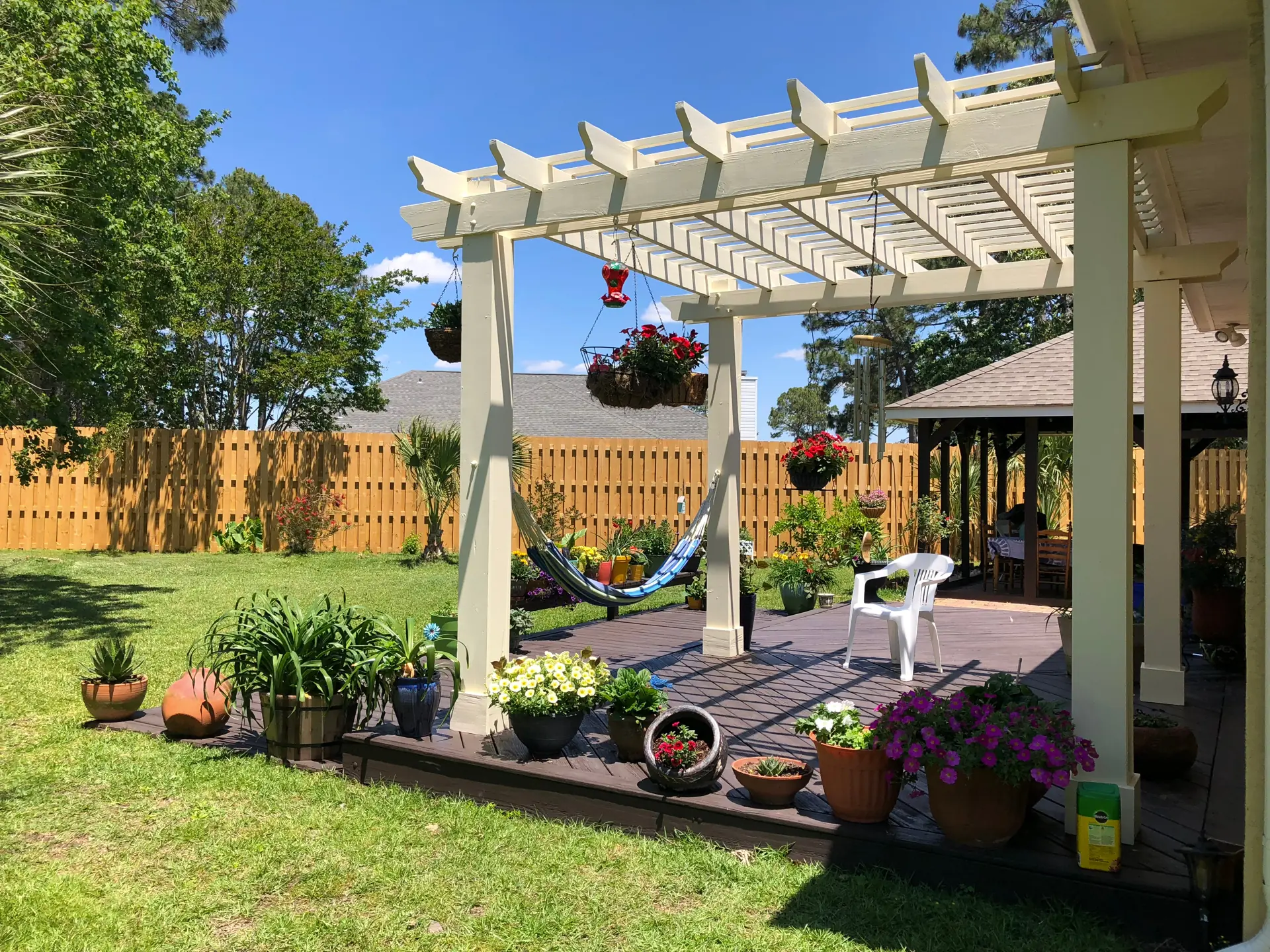
As the name suggests, an attached pergola is connected to your house or another structure, such as a fence or wall. It typically has at least one side that is anchored to the building, offering seamless integration with the home.
Attached pergolas provide shade and a visually appealing extension to your outdoor living space, often designed to cover patios, decks, or entryways. Many homeowners choose attached pergola solutions for a cohesive look.
Freestanding Pergola
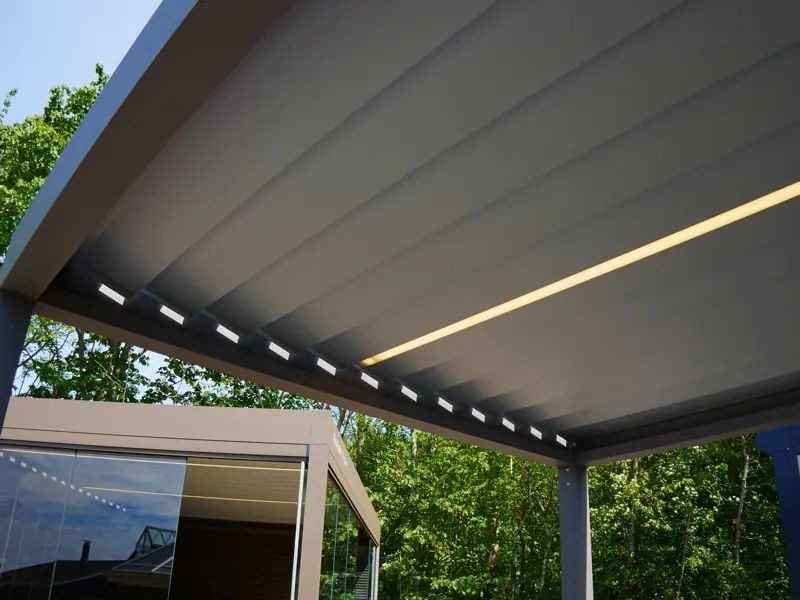
A freestanding pergola is a completely independent structure, not attached to your house or any other existing structure. It is typically located in the yard or garden area, creating a designated outdoor space separate from the home.
Freestanding pergolas are ideal for larger spaces and are often used to define outdoor rooms or as stand-alone features in the landscape. Options like freestanding pergolas provide flexibility in placement and design.
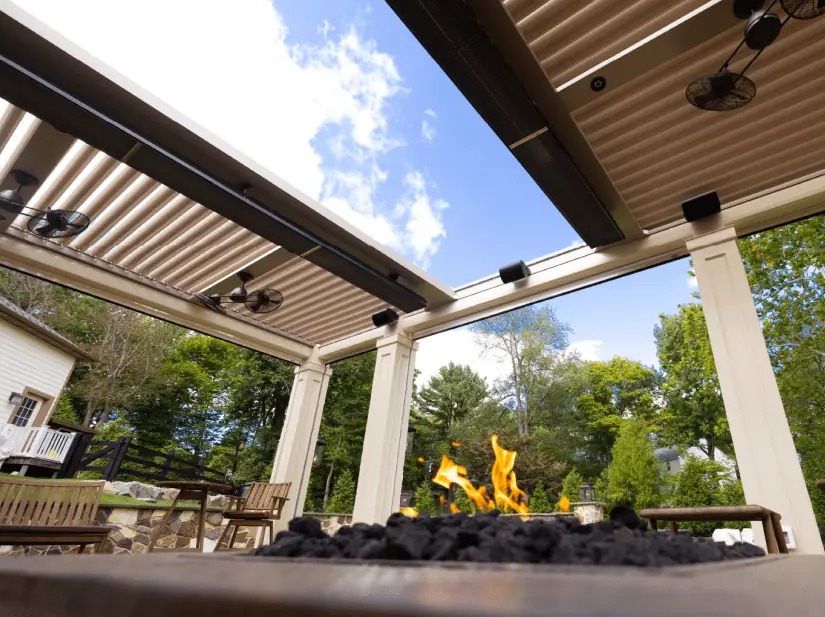
Both types of pergola design options offer distinct benefits depending on the intended use and aesthetic preferences of the homeowner. For additional inspiration, you can explore how a pergola can transform your backyard into a year-round oasis.
Is It Better to Attach a Pergola to Your House?
Whether it’s better to attach a pergola to your house depends on your goals and the design of your outdoor space. Here are some pros and cons to consider:
Pros of Attaching a Pergola to Your House:
- Seamless Integration: An attached pergola can provide a smooth transition from your indoor living space to the outdoors, especially when it’s placed over a patio, deck, or entryway. It enhances the visual flow of your home’s exterior and increases its overall appeal.
- Protection from the Elements: By attaching the pergola to your house, you create an extended outdoor living space that’s sheltered from the elements. It can provide shade during the day and shelter in case of light rain.
- More Space: An attached pergola is a great way to increase usable outdoor space, making it ideal for people who want a functional area to entertain or relax.
Cons of Attaching a Pergola to Your House:
- Less Flexibility: Unlike a freestanding pergola, an attached pergola is fixed in place and can’t be easily moved. If you want to change the layout of your yard, the attached pergola may limit your options.
- Possible Structural Modifications: Depending on where you want to attach the pergola, you may need to make structural changes to your house. This can involve additional costs or require permits.
An attached pergola is a great choice for homeowners looking to create a seamless connection between their indoor and outdoor spaces, especially if they have a patio or deck.
Can a Freestanding Pergola Be Moved Later?
Yes, one of the advantages of a freestanding pergola is its mobility. Unlike attached pergolas, which are fixed to the house, freestanding pergolas can be relocated. This is especially helpful if you want to change the layout of your yard or move the structure to a different area to better capture sunlight or wind.
However, while the freestanding pergola can be moved, keep in mind that it may require some effort to disassemble and reassemble the structure. Depending on the materials and size, the relocation process may involve hiring professionals for the best results.
Which Type of Pergola is More Stable in Strong Winds?
When it comes to stability in strong winds, attached pergolas generally have the upper hand. Because they are anchored to a house or other structure, they are inherently more secure in high winds compared to freestanding pergolas. The support of the building helps distribute the wind load, making it less likely to be damaged or topple over.
On the other hand, freestanding pergolas are more susceptible to wind damage because they stand alone without the extra support from a building. To ensure stability, freestanding pergolas typically require deeper foundations or anchors to keep them in place, especially in windy areas.
If you live in a region prone to high winds, an attached pergola might be the safer option. However, a freestanding pergola can still be made stable with proper installation and additional support. For safety considerations, refer to building code guidelines from FEMA.
Do Attached Pergolas Require Permits?
Yes, attached pergolas may require permits, depending on where you live and the specific regulations of your municipality. Since these structures are connected to your house, they may be subject to building codes or zoning laws. Common reasons for permit requirements include:
- Structural Impact: If the pergola will alter the structure of your house or affect the roofline, a permit may be required to ensure that the installation is safe and up to code.
- Size and Height: Larger pergolas or those that exceed a certain height may need approval before installation.
- Safety Standards: Local governments often require that structures attached to homes meet certain safety standards, particularly in areas prone to high winds or severe weather conditions.
In contrast, freestanding pergolas may not require permits, as they don’t alter the structure of your home. However, it’s always best to check with your local government to ensure that you comply with any necessary regulations for your pergola installation.
Which Option is More Cost-Effective For Homeowners?
When deciding between an attached vs freestanding pergola, cost is a significant factor to consider. Here’s a comparison:
Attached Pergola Costs:
- Material and Labor: While attached pergolas generally require fewer materials than freestanding structures, the installation process can be more involved. Connecting the pergola to your house and ensuring that it is structurally sound may require additional labor and expertise, which can increase costs.
- Permits and Structural Changes: As mentioned earlier, if permits or structural changes are required, this can add to the overall cost of installation.
Freestanding Pergola Costs:
- Materials: Freestanding pergolas typically require more materials, especially when it comes to supporting posts and foundations. This can make the initial material cost higher.
- Labor and Installation: Because freestanding pergolas are not attached to the house, they often require more labor to install, particularly when it comes to ensuring proper stability and securing the structure in place.
While freestanding pergolas might have a higher initial cost, attached pergolas could ultimately be more expensive when considering permits, potential structural modifications, and labor costs.
For homeowners with a limited budget, freestanding pergolas may be the more cost-effective option, especially if you’re working with an already level yard.
Conclusion
Both attached and freestanding pergolas can completely change how you use your outdoor space. The key is understanding what fits your home, your layout, and how you plan to enjoy the area. Whether you want something connected or more flexible, each option has its own advantages.
By exploring different pergola design options and planning your pergola installation in Rock Hill, SC carefully, you can create a space that looks great and works exactly how you want it to. A well-chosen pergola makes all the difference.
Choosing the Right Pergola for Your Outdoor Space
If you want a structure that blends seamlessly with your house and provides additional protection from the elements, an attached pergola might be your best option. However, if you prefer flexibility, the ability to move the structure, and a standalone feature in your yard, a freestanding pergola is the ideal choice.
At Palmetto Pergolas, we offer expert advice and quality pergola installation services to help you choose the best option for your home. Contact us through our consultation page for guidance on the perfect pergola design options and installation for your outdoor space!