

Backyards aren’t just for lawns and grills anymore.
A single feature is changing the rules of outdoor design and raising expectations across the board. Homeowners want spaces that feel intentional, comfortable, and easy to use year-round.
This feature delivers exactly that by bringing structure and purpose to outdoor areas. It shapes how people move, gather, and relax outside. As a result, designers are rethinking layouts and priorities from day one.
What once felt optional is now becoming essential. This shift is rewriting outdoor design standards and changing how backyards are planned, built, and used every day.
What Backyard Feature is Changing Modern Outdoor Design Standards?
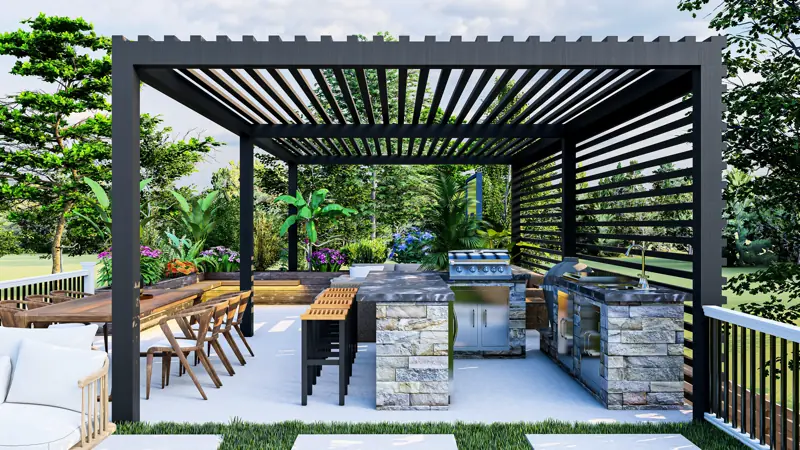
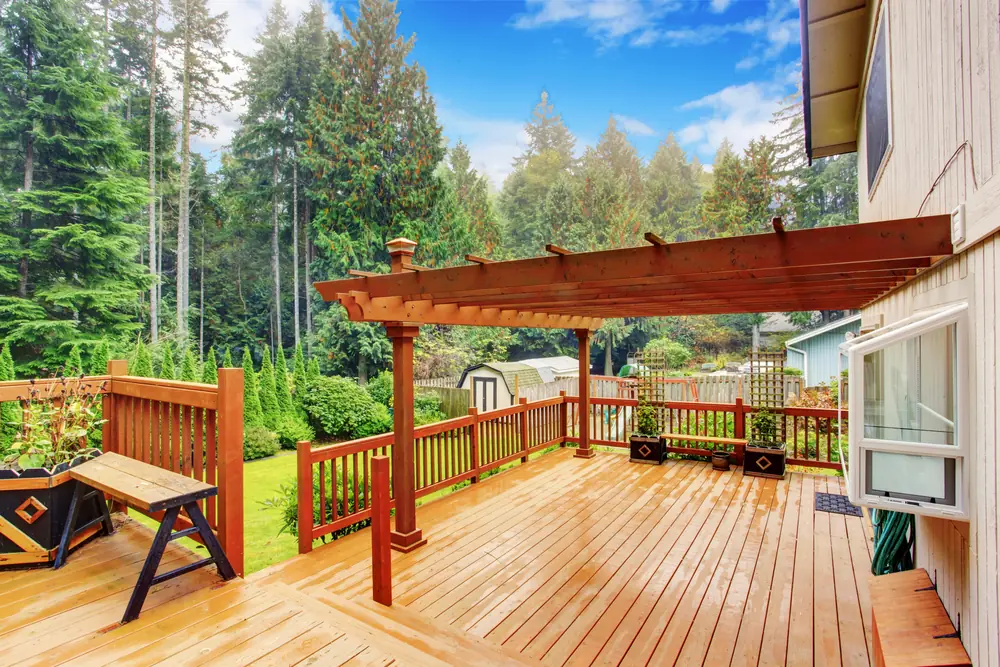
The pergola is no longer just a decorative frame with a couple of beams overhead. The new standard is a pergola that acts like an outdoor room-maker.
Think of it as the feature that does three jobs at once:
- Defines the space
A pergola creates boundaries without walls. It tells your brain, “This is the hangout area,” even if the yard is wide open. - Manages the environment
Depending on the design, it can filter sunlight, reduce glare, add shade, and create a more comfortable zone during peak heat. - Upgrades the overall design language of the home
This is the part homeowners don’t always say out loud, but they feel it. A pergola makes the backyard look finished. Intentional. Like someone made decisions, not just purchases.
And here’s the real shift: outdoor design standards are now built around function-first comfort. People aren’t impressed by a backyard that looks nice for photos but feels miserable to use. They want an outdoor setup that actually earns its keep.
A well-designed pergola does exactly that.
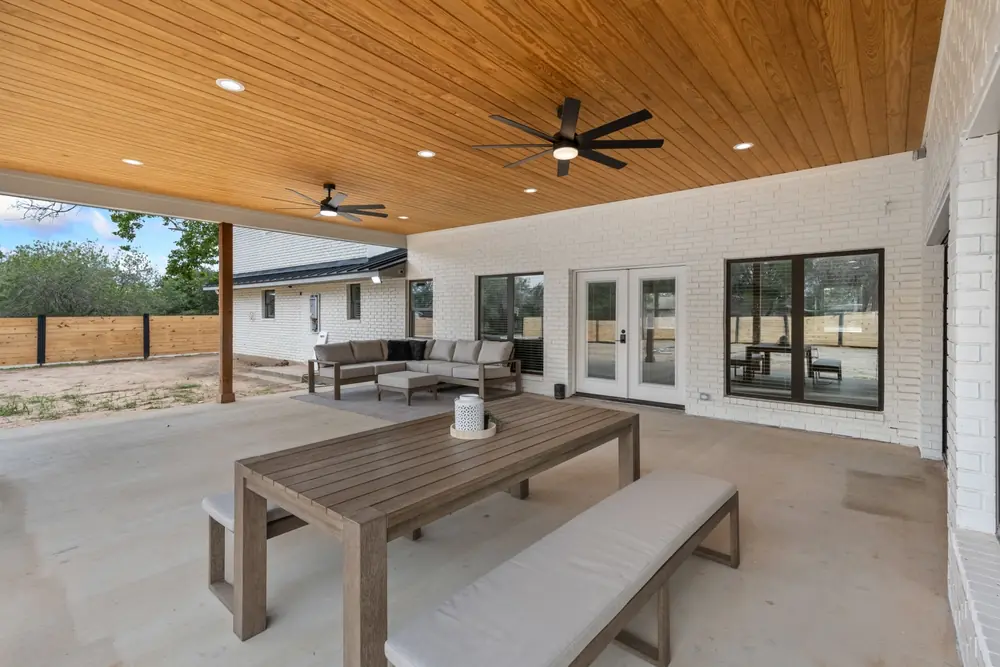
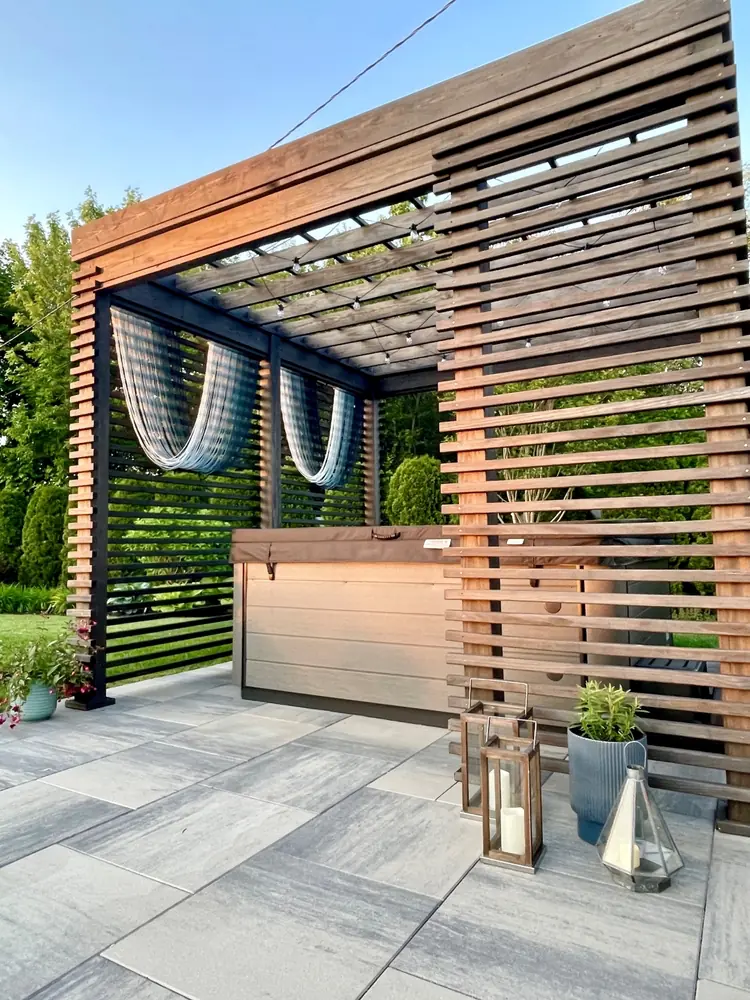
It’s also incredibly flexible. You can place it over a dining area, a lounge space, a hot tub, an outdoor kitchen, or even a walkway that feels weirdly exposed. And once it’s there, it sets the tone for everything else: lighting, furniture layout, landscaping, flow.
In a lot of modern outdoor designs, the pergola isn’t an “add-on.” It’s the anchor.
Why are Homeowners Prioritizing This Backyard Feature in New Outdoor Designs?
Because homeowners have learned something the hard way: a big backyard doesn’t automatically mean a better backyard.
A yard without structure is like a house without rooms. Sure, there’s space. But where do you actually go? Where does anything happen?
Pergolas are getting prioritized because they solve common frustrations quickly:
- “It’s too hot to sit out there in the afternoon.”
- “There’s nowhere that feels cozy.”
- “The patio feels like a slab, not a space.”
- “We want shade, but we don’t want to lose the open-air feel.”
- “We want something that looks high-end but isn’t overly complicated.”
And if we’re being honest, homeowners are also prioritizing pergolas because outdoor living is no longer a once-in-a-while thing. It’s part of the lifestyle now.
People work from home. Kids are always moving. Friends come over more casually. The backyard isn’t just for the occasional weekend BBQ. It’s become the place where real life happens.
A pergola makes the backyard more usable across more hours of the day. It gives you a reason to actually step outside.
There’s also the “future-proofing” mindset. Homeowners are thinking:
- “If we invest in the backyard, it should add value.”
- “If we redesign this space, it should hold up over time.”
- “If we’re spending money, let’s build something that makes a difference.”
A pergola checks those boxes because it’s visible, practical, and adaptable.
And I have to say it: pergolas are also replacing the patio umbrella in the same way smartphones replaced flip phones. Umbrellas did their best. They had a moment. But the new expectations are higher.
How Does This Backyard Feature Improve Both Aesthetics and Functionality?
This is where pergolas really win. They don’t just look good. They make the whole backyard work better.
Aesthetics: it upgrades your yard’s “architecture”
Backyards often feel like leftover space. A pergola adds architectural weight. It gives the outdoor area a defined style, whether that’s modern and clean, warm and rustic, coastal, or classic.
A pergola can:
- Create a visual focal point
- Add height and dimension
- Balance out flat landscaping
- Connect your home’s exterior to your outdoor furniture and hardscape
It’s also one of the few backyard upgrades that looks just as good in winter as it does in summer. Even when the plants die back and the lawn is looking a little tired, the structure still carries the space.
Functionality: it changes how you use the space day to day
Here’s what pergolas do for function, in real-life terms:
- They reduce sun intensity and glare, depending on the design and orientation
- They make seating and dining areas more comfortable
- They support lighting, so the backyard doesn’t shut down at sunset
- They give you a place to add fans, heaters, or outdoor curtains (if that fits your setup)
- They create zones, which helps keep furniture layouts from feeling random
And because the feature is overhead, it improves comfort without crowding the space. You don’t lose floor area the way you do with bulky shade structures or awkward umbrellas.
If you want a quick snapshot of why pergolas work so well, it’s because they’re a rare outdoor feature that makes a backyard feel both more open and protected.
That’s not an easy combo.
Bonus: they make everything else look more intentional
Pergolas have a sneaky side effect: once you install one, it forces the rest of the backyard to level up.
Suddenly you start thinking:
- “We should upgrade the seating so it matches the vibe.”
- “Maybe we add a little landscaping here.”
- “This could be a dining zone, and that could be a lounge zone.”
- “Okay, now I want better outdoor lighting.”
It’s like your backyard gets its act together because it finally has a main character.
What Makes This Backyard Feature a Long Term Trend in Outdoor Living Design?
Some backyard trends feel like they’ll fade the moment a new Pinterest board becomes popular. Pergolas aren’t in that category. This feature has staying power for a few big reasons.
1) It fits how people actually live now
Outdoor living is not just “extra space.” It’s part of the home experience. Pergolas support that shift without requiring a full addition or enclosed sunroom.
They give you the outdoor room feeling, while still keeping the outdoors… outdoors.
2) It adapts to different budgets and styles
Pergolas aren’t one-size-fits-all. That’s why the trend isn’t limited to luxury homes.
You can go:
- Minimal and modern
- Warm and natural
- Bold and architectural
- Simple and functional
And as homeowners change their needs, pergolas can evolve with them through added lighting, side panels, or comfort upgrades.
3) It solves evergreen problems: sun, comfort, and layout
Trends fade when they’re mostly cosmetic. Pergolas solve problems that will always exist:
- Harsh sunlight
- Lack of shade
- Lack of structure
- Outdoor spaces that feel unfinished
As long as the sun is going to sun, pergolas will have a role.
4) It adds a “designed” feel without overcomplicating the yard
Homeowners love upgrades that make a big difference without becoming a whole new project category. Pergolas are big enough to transform the space, but focused enough that the project doesn’t spiral into a full backyard rebuild unless you want it to.
5) It’s a feature that buyers notice
Even if a homeowner isn’t planning to sell soon, people like improvements that make sense long-term. Pergolas are visible, practical, and make the yard more memorable.
A backyard with a pergola feels like it has a purpose. And that’s a big deal in modern home design.
Let’s Build the Space Everyone Ends Up Standing In
At Palmetto Pergolas, we don’t treat pergolas like decoration. We treat them like the backbone of a better backyard. The goal is simple: create an outdoor space that feels good to use, looks like it belongs with your home, and holds up for the long run.
If you’re ready to stop working around your backyard and start actually enjoying it, let’s talk. We’ll help you design a pergola setup that turns your outdoor area into a place you naturally gravitate toward, not just something you look at through a window.